The Only SaaS Launch Strategy Framework You’ll Ever Need (Authority + high click-through)
Saas launch strategy: Launching a SaaS product without an existing audience is one of the hardest challenges founders face. You’ve built something valuable — now it’s time to make sure people actually discover it.
Launching a SaaS product without an audience often feels like standing on a mountain with no one around to hear you echo back. You’ve been building, refining, testing - and now you’re staring at the question that matters most:
“How do I get real users to show up on day one?”
A SaaS launch isn’t about a single announcement or a flashy demo video. It’s a sequence of deliberate steps that help you build momentum, validate your assumptions, and create a path toward sustainable growth. This guide breaks down a practical SaaS launch strategy specifically for builders who don’t have investors, big marketing teams, or a pre-existing fanbase — just grit and a solid product.
If you want your launch to deliver actual traction (not just a spike of curiosity), here’s the roadmap.
Table of Contents
- Phase 1: The Pre-Launch Runway
- Phase 2: Launch — Making a Meaningful Impact
- Phase 3: Post-Launch — Turning Attention into Growth
- Conclusion
- FAQ
1. Get Serious About Market Research
Good SaaS ideas don’t win — validated SaaS ideas do.
Instead of assuming your problem exists, prove it.
Do this:
- Build a clear Ideal Customer Profile (ICP)
- Talk to 10–15 people who match that ICP
- Look at how they currently solve the problem
- Analyze competitors and uncover gaps
Useful tools:
Ahrefs, SEMrush, Reddit deep dives, community conversations.
2. Build a Minimum Viable Audience (MVA)
You don’t need 10,000 followers to launch well.
You need 20–200 relevant people who care about the problem.
Your MVA checklist:
- Create a simple landing page (Carrd/Webflow works great)
- Write a clear value proposition
- Add a waitlist signup
- Share your building journey on one platform (X, LinkedIn, etc.)
- Join 2–3 communities where your ICP already hangs out
This tiny but engaged group will become your first users, first feedback loop, and first sharers on launch day.
3. Pre-Launch Tech Setup
Before launching, ensure:
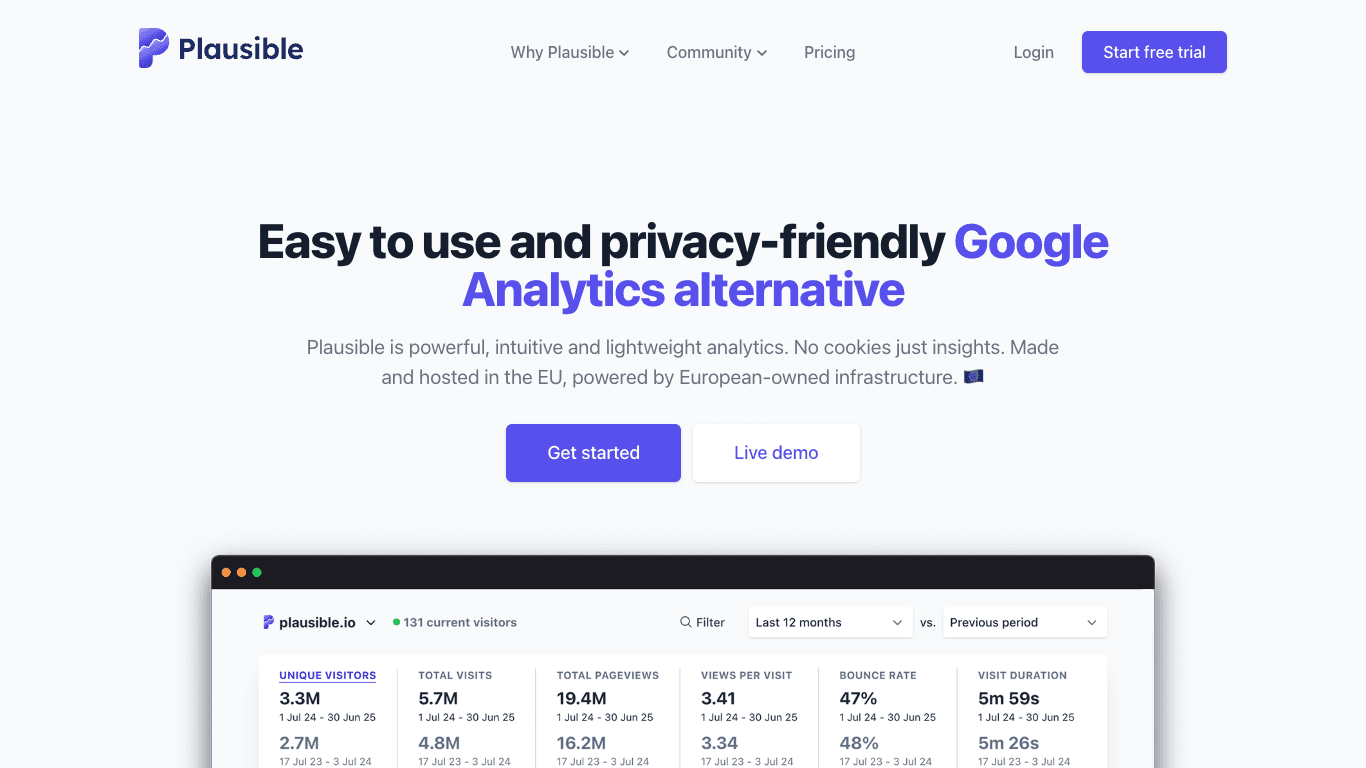
- Analytics are installed (Google Analytics / Plausible)
- Onboarding is simple and helps users reach value fast
- A small beta group tests the flows
- Core bugs are fixed
- You have a follow-up email ready for signups
This reduces friction so your early users can actually experience your value.
Phase 2: The Launch — Creating Meaningful Visibility
Your SaaS launch isn’t about going viral — it’s about getting the right users to notice you.
1. Choose the Right Launchpad
Here’s a practical comparison:
| Platform | Strength | Weakness | Best For |
|---|---|---|---|
| Product Hunt | Major same-day visibility | Highly competitive | Polished SaaS tools |
| BetaList | Great for pre-launch | Smaller audience | Early MVPs |
| ShipSquad (shipsquad.space) | Early adopters + meaningful feedback + real backlinks | Newer community (but highly engaged) | Indie makers who want an SEO-friendly launch |
⚡ Why ShipSquad is helpful :
Most launch platforms only give you exposure for a day. ShipSquad also gives you an early backlink, which is incredibly valuable for new SaaS domains trying to get indexed. That single SEO advantage can help your content rank faster.
2. The Soft Launch (highly underrated)
Before going public, release to:
- Your waitlist
- Your beta group
- A small community thread
This helps identify onboarding issues and gives you social proof for the main announcement.
3. Craft Your Launch Story
Don’t just drop a link. Share a story:
- What problem pushed you to build this?
- How were people solving it before?
- What’s now possible with your solution?
- What should early adopters expect?
Stories resonate more deeply than feature lists.
Phase 3: Post-Launch — Turning Attention into Growth
A launch creates exposure. A post-launch strategy creates traction.
1. Build Your Feedback Engine
Talk to your first 50–100 users manually.
Call them. DM them. Email them.
Ask:
- What confused you?
- What almost stopped you from signing up?
- What made you smile?
- What would make this a “must-have”?
Every SaaS success story begins with obsessive user understanding.
2. Scale Your Marketing Efforts Slowly
Once you understand your users, it’s time to amplify.
Start with:
- Content marketing (guides, comparisons, solutions)
- SEO basics (cluster pages + backlinks)
- Updating onboarding
- Improving activation steps
- Experimenting with lightweight paid ads
Your early ShipSquad backlink also helps search engines start picking up your pages faster.
3. Track Metrics That Actually Matter
Forget vanity metrics.
These are the real ones for SaaS:
- Activation rate
- Monthly recurring revenue (MRR)
- Retention / churn
- Customer acquisition cost (CAC)
- Lifetime value (LTV)
Growth becomes predictable when these metrics stabilize.
Conclusion
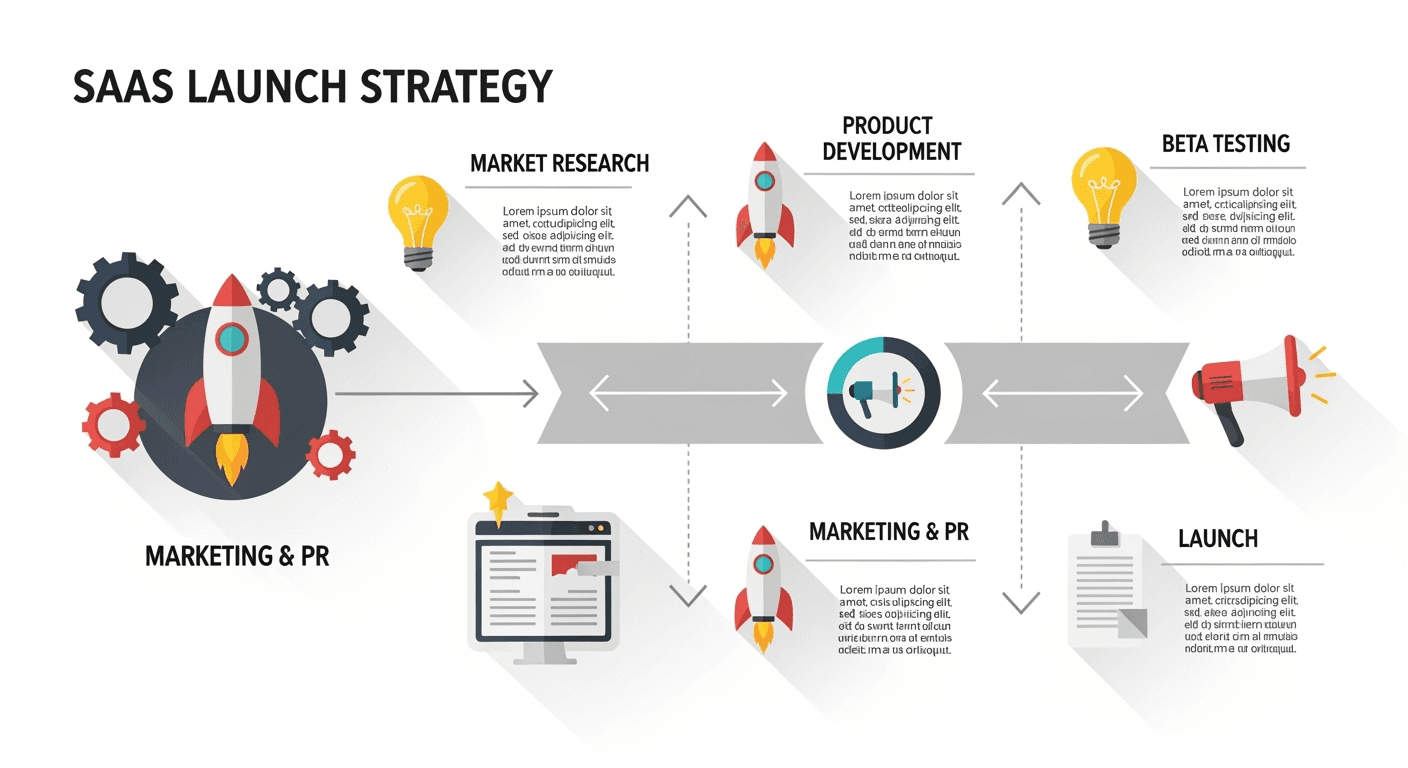
A SaaS launch isn’t about one big moment — it’s a sequence: validate → build audience → launch → refine → grow.
Indie founders who treat it like a process win far more often than founders who treat it like an event.
Whether your audience is small or nonexistent, you can still launch successfully by creating:
- A validated problem
- A small group who cares
- A compelling launch story
- A feedback-driven post-launch loop
And if you want visibility and an early SEO boost, a platform like ShipSquad (kept minimal and natural) can give your new SaaS domain the credibility it needs to start ranking sooner.
Your launch is the beginning — not the finish line.
Recommended Videos
5-Question FAQ
1. How long should a SaaS pre-launch phase be?
Typically 3–6 weeks. Enough time to build an audience and validate your onboarding, not long enough to lose momentum.
2. Do I need a big audience to launch?
Not at all. Many successful SaaS tools launch with fewer than 200 followers — relevance beats volume.
3. What’s the most common launch mistake?
Launching without validating whether the problem is painful enough. Second biggest: no follow-up plan.
4. How do I get my first 50–100 SaaS users?
Manual outreach, waitlist warmup, storytelling on social platforms, and posting on early adopter communities.
5. What's the biggest growth driver after launch?
User feedback. Fixing friction points and improving activation moves your SaaS farther than any marketing channel.