SaaS Go-to-Market Strategy: The Only Guide You Need to Launch Successfully
Saas go to market strategy: Your SaaS product is finally ready, and now it’s time to figure out how to launch it in a way that attracts real users—not silence.
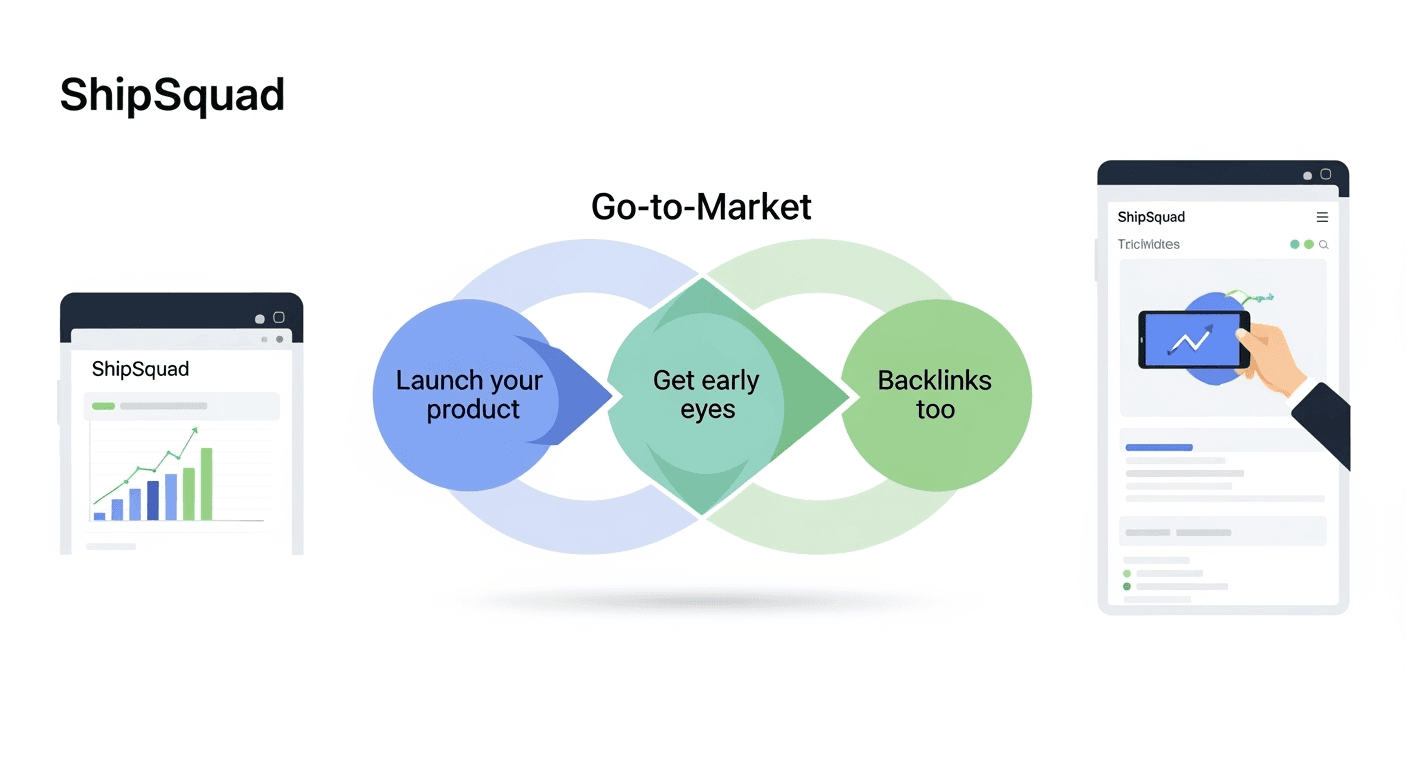
Launching a SaaS product without an existing audience can feel intimidating. You’ve put in the work, refined your product, and now the real challenge begins: getting it in front of the people who need it. That’s where a well-structured SaaS go-to-market strategy becomes indispensable.
For indie makers and early-stage founders, this strategy isn’t optional—it’s the difference between a launch that falls flat and one that brings early traction, validation, and long-term growth. This guide walks you through exactly how to build a GTM plan that works even when you don’t have a large audience or marketing budget.
Table of Contents
- What is a SaaS Go-to-Market Strategy?
- The Core Ingredients of a Strong GTM Plan
- Popular GTM Models
- The Indie Maker’s Launch Challenges
- Choosing Your Launch Platform
- Real-World Examples
- Building Momentum After Launch
- Conclusion
- FAQs
What is a SaaS Go-to-Market Strategy?
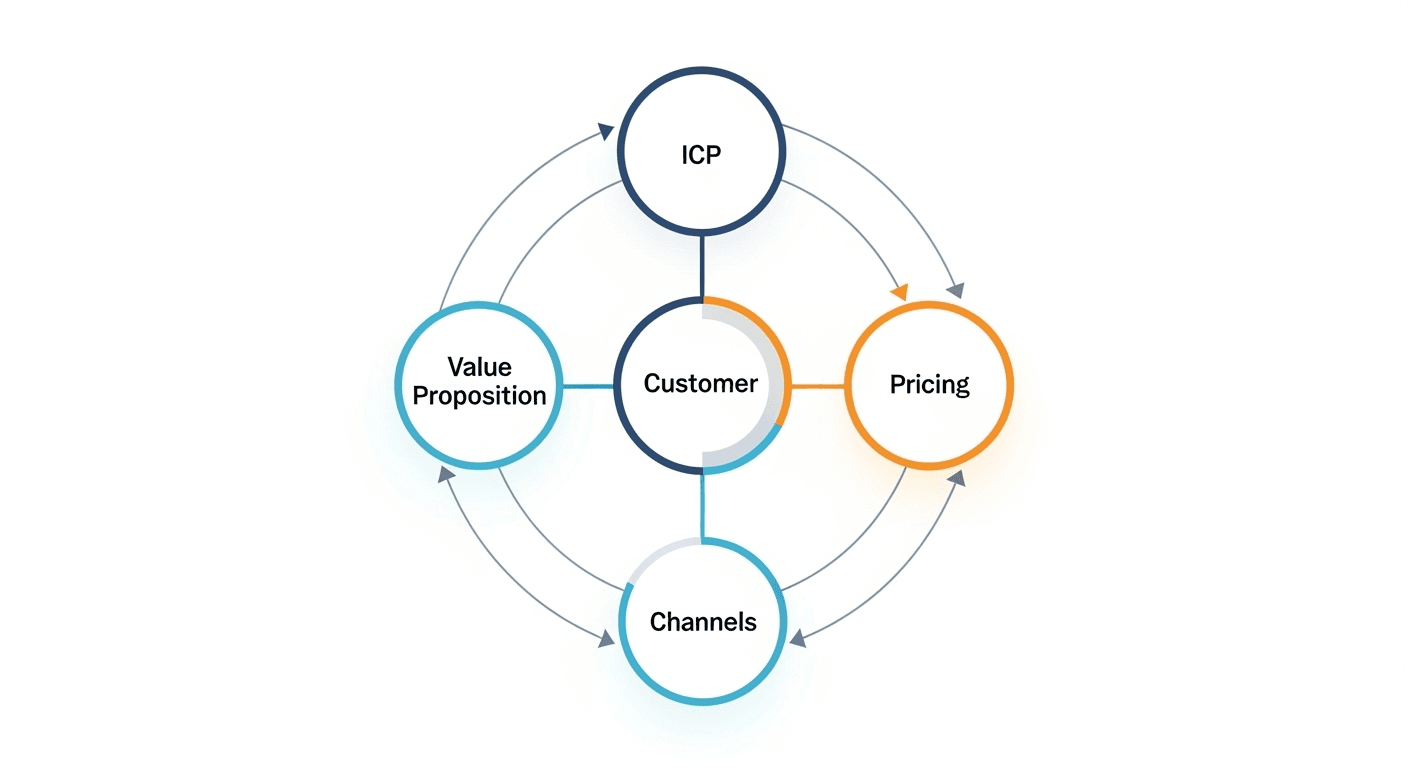
A go-to-market (GTM) strategy is your plan for introducing your SaaS product to the market and reaching your target customers effectively. It covers your audience, value proposition, pricing, distribution channels, and launch approach.
In the SaaS world, skipping this step is costly. Many startups fail because they don’t validate the market or because they launch without a clear plan. A strong SaaS go-to-market strategy guides your messaging, positioning, and launch decisions so you can connect with the right users from day one.
The Core Ingredients of a Strong SaaS GTM Plan
- Understanding Your Ideal Customer Profile (ICP)
Identify who benefits most from your solution.
Ask:
What pain point does this person face?
What result are they seeking?
What tools do they currently use?
Which communities are they active in?
Clarity here ensures every part of your GTM plan is aligned.
2. Creating a Compelling Value Proposition
A value proposition explains what your product does, who it’s for, and the problem it solves. It should communicate the outcome your customer gets—not just features.
A strong value proposition answers:
- What the product is
- Who it's built for
- What problem it solves & why it’s a better solution
Pricing & Positioning
Pricing communicates value. For SaaS, common models include:
Freemium — attract users quickly and convert based on value
Tiered plans — offer options based on usage or features
Usage-based pricing — charge based on consumption
Choose the model that matches how your users receive value.
4. Picking Your Channels
Where will your first users come from?
For early-stage founders:
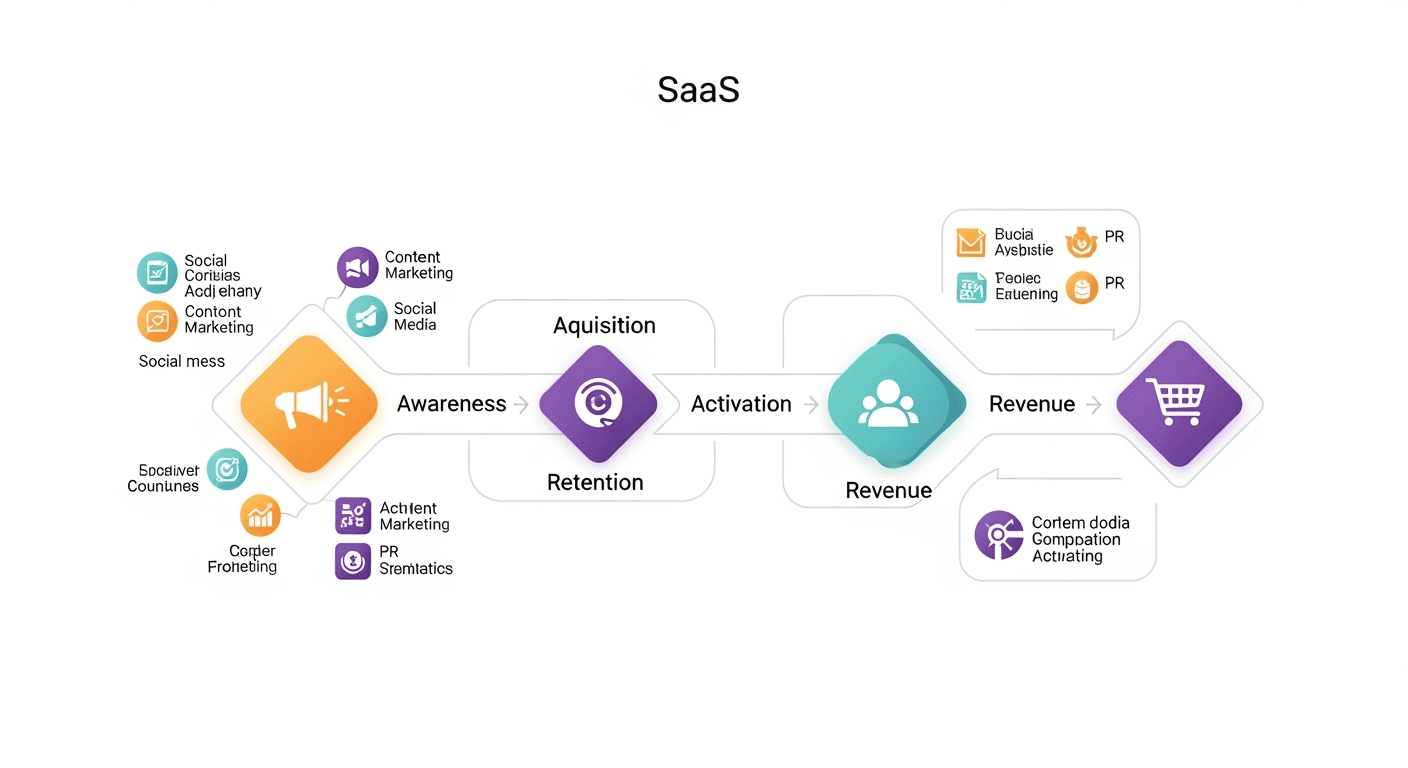
- Content marketing (blogs, guides)
- SEO + keyword targeting
- Community engagement (Reddit, Slack groups)
- Social media presence
- Launch platforms (Product Hunt, BetaList, ShipSquad)
Master a few channels instead of trying to be everywhere.
Popular GTM Models
Your GTM model shapes how users discover and buy your product.
Sales-Led Growth (SLG)
Ideal for high-ticket B2B SaaS needing hands-on sales.
Marketing-Led Growth (MLG)
Driven by content, SEO, and inbound marketing.
Product-Led Growth (PLG)
Let users experience value before paying.
Popular for indie makers because it lowers acquisition costs.
Examples: Slack, Calendly, Notion.
The Indie Maker’s Launch Challenge
Most indie founders learn quickly that:
- “Build it and they will come” rarely works
- Launching without an audience often leads to silence
- Many platforms favor bigger brands
- A launch without feedback = slow improvement
- A launch without backlinks = weak SEO foundation
A successful SaaS go-to-market strategy solves all of these by ensuring:
- Visibility
- Real user feedback
- Early credibility
- Long-term discoverability
Choosing Your Launch Platform
Not all launch platforms are equal. Here’s a quick comparison:
| Feature | Product Hunt | BetaList | ShipSquad |
|---|---|---|---|
| Audience | Broad tech crowd | Early adopters | Indie founders & builders |
| Cost | Free | Free/Paid | Free |
| Visibility | High but short-lived | Newsletter-based | Ongoing visibility |
| SEO Benefit | Limited | Minimal | Strong backlink included |
Why ShipSquad Fits Indie Makers Well
ShipSquad is built around the needs of indie makers—early visibility, constructive feedback, and high-quality backlinks that help your domain start ranking sooner.
It’s a practical addition to a SaaS go-to-market strategy because it gives long-term value instead of just launch-day hype.
Real-World Examples
Dropbox: Product-Led Growth Done Right
Dropbox used referrals to accelerate growth, allowing users to earn free storage for inviting friends. This viral loop helped them scale massively with minimal advertising.
Indie Case Study
Alex built a SaaS tool for freelancers.
Her initial Product Hunt launch barely gained traction.
After relaunching on a maker-focused platform:
- She received detailed feedback from early adopters
- Her site gained several relevant backlinks
- Her search rankings improved within weeks
A well-chosen launch platform can turn a quiet launch into a meaningful growth opportunity.
Building Momentum After Launch
Launching isn’t the end—it’s the beginning.
Post-launch priorities:
- Analyze user feedback
- Improve onboarding
- Fix friction points
- Start publishing SEO-rich content
- Keep talking to users
- Build a small community around your product
Momentum comes from consistent visible progress.
Conclusion
A successful SaaS go-to-market strategy is not luck—it’s intention.
It’s the combination of:
- Understanding your audience
- Communicating value clearly
- Choosing the right GTM model
- Picking a launch platform with long-term benefits
- Iterating quickly after launch
For indie makers, platforms like ShipSquad offer a practical path to visibility, credibility, and long-term discoverability. Your product deserves more than a one-day launch spike—it deserves ongoing traction.
Recommended Videos
FAQs
1. What’s the most important part of a SaaS GTM strategy?
Understanding your ICP. A GTM plan is only effective when you know exactly who you are targeting.
2. How long should I spend planning my GTM strategy?
A few weeks of research, validation, and preparation is realistic for indie teams.
3. Can I launch without a GTM strategy?
You can, but the odds of traction drop significantly. A GTM strategy protects you from “silent launches.”
4. What’s the difference between GTM and a marketing plan?
A GTM is the full launch blueprint; marketing is just one part of it.
5. How much does a GTM strategy cost?
You can execute a strong GTM strategy with near-zero budget using communities, content, PLG, and free launch platforms.