How to Announce a New Product: A Practical Guide for Indie Makers
How to announce a new product: You’ve been building quietly for weeks, shaping an idea into something real - now it’s time to share it with people who actually need it.
Launching a new product doesn’t start on launch day — it starts the moment you decide to put your work in front of real people. And if you’re an indie maker or early founder, that moment often feels overwhelming. Not because the product isn’t good, but because sharing it with the world is unfamiliar territory.
How do you announce a new product when you don’t have a big audience or a marketing machine behind you?
How do you make sure your launch reaches people who actually care?
This guide breaks down a simple, realistic process that works even if you’re starting from zero. No hype, no complex formulas — just practical steps you can follow to create visibility, spark feedback, and set the stage for long-term growth.
Table of Contents
- Why Pre-Launch Matters More Than Launch Day
- Build an Audience Before You Announce
- Writing a Clear, Effective Announcement
- Choosing the Right Channels (What Actually Works)
- Step-by-Step: How to Announce Your New Product
- Case Study: From Idea to 1,000 Users
- What to Do After Launch
- Conclusion
- FAQs
Why Pre-Launch Matters More Than Launch Day
A launch isn’t a single moment — it’s the result of everything you do before it.
Products with even a small waitlist or warmed-up audience perform significantly better, because people already know what’s coming. They’ve followed your progress. They’re emotionally invested.
Think of pre-launch as creating context. When people understand why you built something and who it helps, the announcement feels natural instead of forced. That’s why planning your announcement actually starts weeks earlier.
Build an Audience Before You Even Launch
You don’t need thousands of followers. You just need the right people — the ones who feel the pain you’re solving.
1. Find Your Core Communities
Identify where your target users spend time online:
- Subreddits
- Discord/Slack groups
- Twitter/X spaces
- Indie maker forums
- Niche communities
Join as a person, not a pitch machine. Contribute value. Share insights. Help someone solve a problem. The more genuine your involvement, the easier your announcement will land later.
2. Make a Simple “Coming Soon” Landing Page
This gives people a place to follow your progress. It can be incredibly simple:
- A clear headline
- A single sentence explaining the problem you solve
- One email signup field
That’s it.
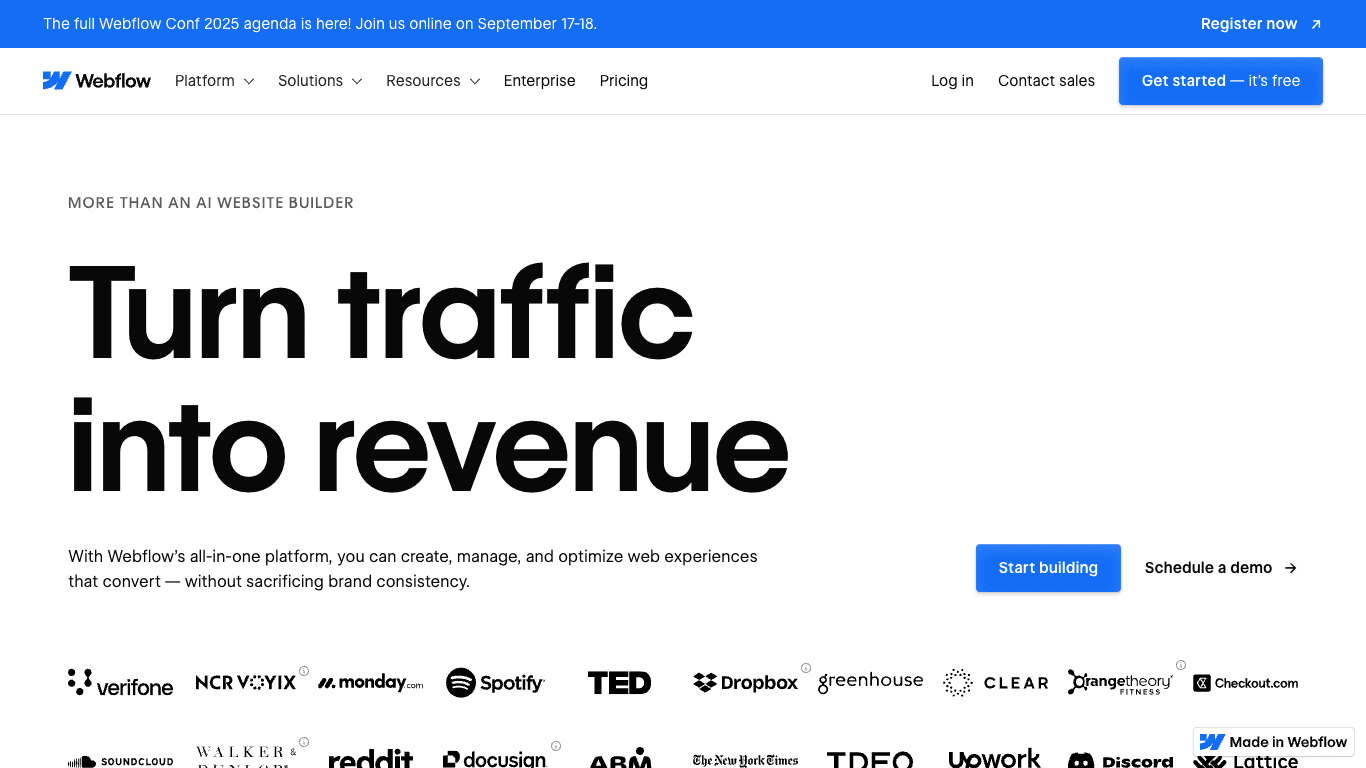
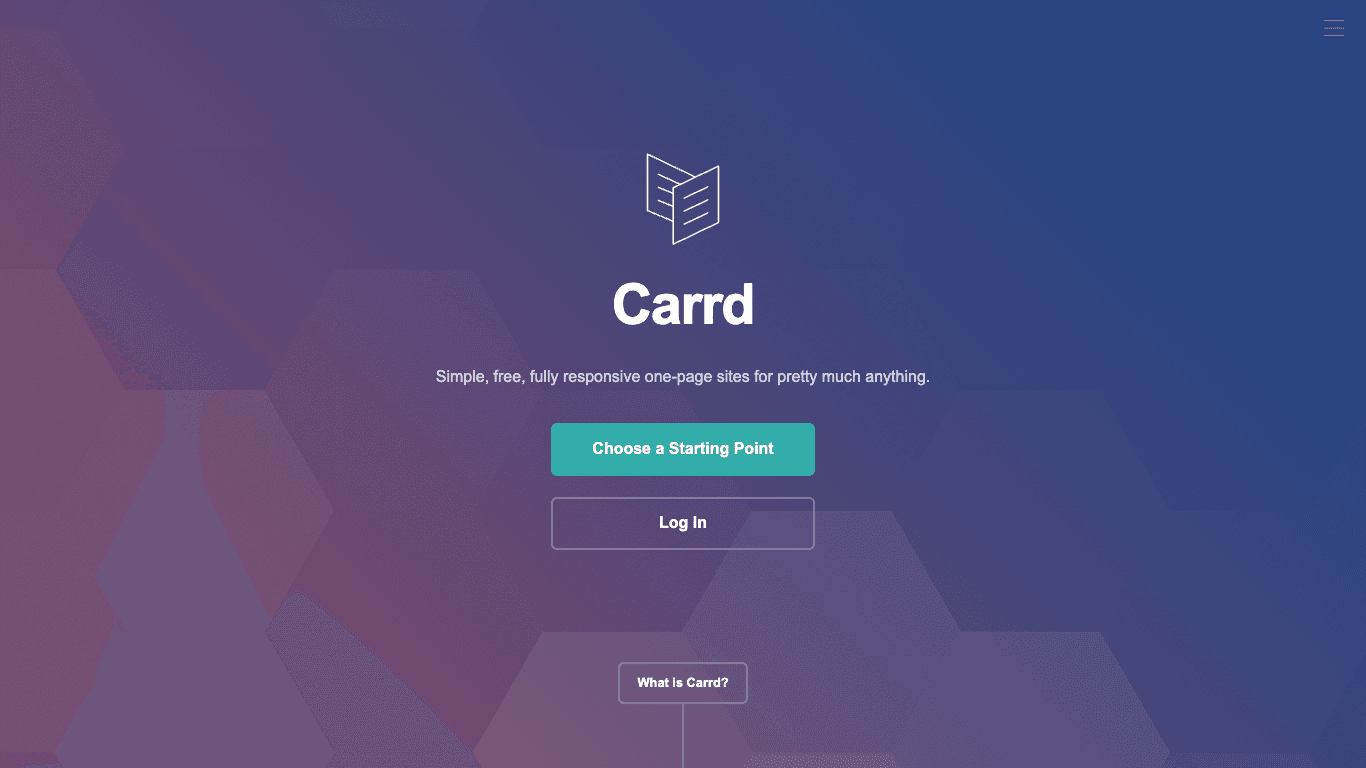
Tools like Carrd or Webflow make this painless. The landing page doesn’t sell the product — it simply captures interest while you build momentum.
3. Share Your Journey Consistently
You don’t need to “build in public” the way everyone else does. But you should share:
- Challenges you faced
- Decisions you made
- Small wins
- What motivated the project
- Sneak peeks
People connect with the process, not just the product.
Crafting the Perfect Announcement Message
The actual announcement should be simple and human. No corporate jargon.
The structure that works best:
Problem → Solution → Benefit → Clear CTA
Example:
Problem:
“Planning content with my team was a mess — everything was scattered across docs, chats, and random screenshots.”
Solution:
“So I built PlanDeck, a lightweight organizer for creators.”
Benefit:
“It helps teams stay in sync without spreadsheets or chaos.”
CTA:
“You can try it free here.”
This format works because it's grounded in reality, not hype.
Choosing the Right Channels for Your Announcement
You don’t need to be everywhere — just where your users naturally hang out.
Here’s a clean, SEO-friendly comparison:
| Platform | Best For | Strength | Limitation |
|---|---|---|---|
| Product Hunt | Broad tech audience | Big day-one spike | Very competitive; traffic drops fast |
| Reddit / Hacker News | Niche communities | High-quality engagement | They dislike self-promo |
| BetaList | Pre-launch tools | Early testers | Not always your target user |
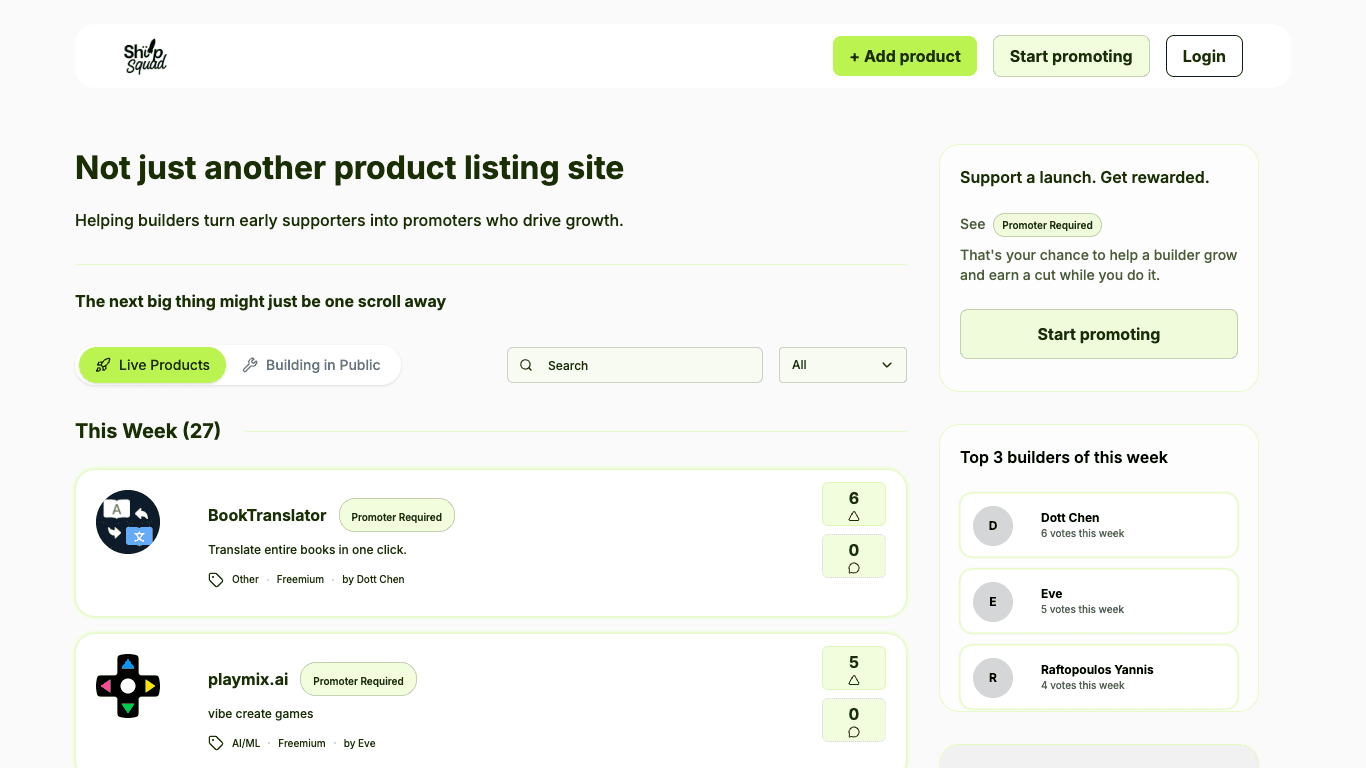
| ShipSquad | Indie builders + early adopters | Simple free launch + early feedback + helpful backlink | Newer platform; community still growing |
If you’re aiming for early visibility + your first credible backlink without a marketing budget,
ShipSquad is one of the easiest wins.
How to Announce a New Product (Step-by-Step)
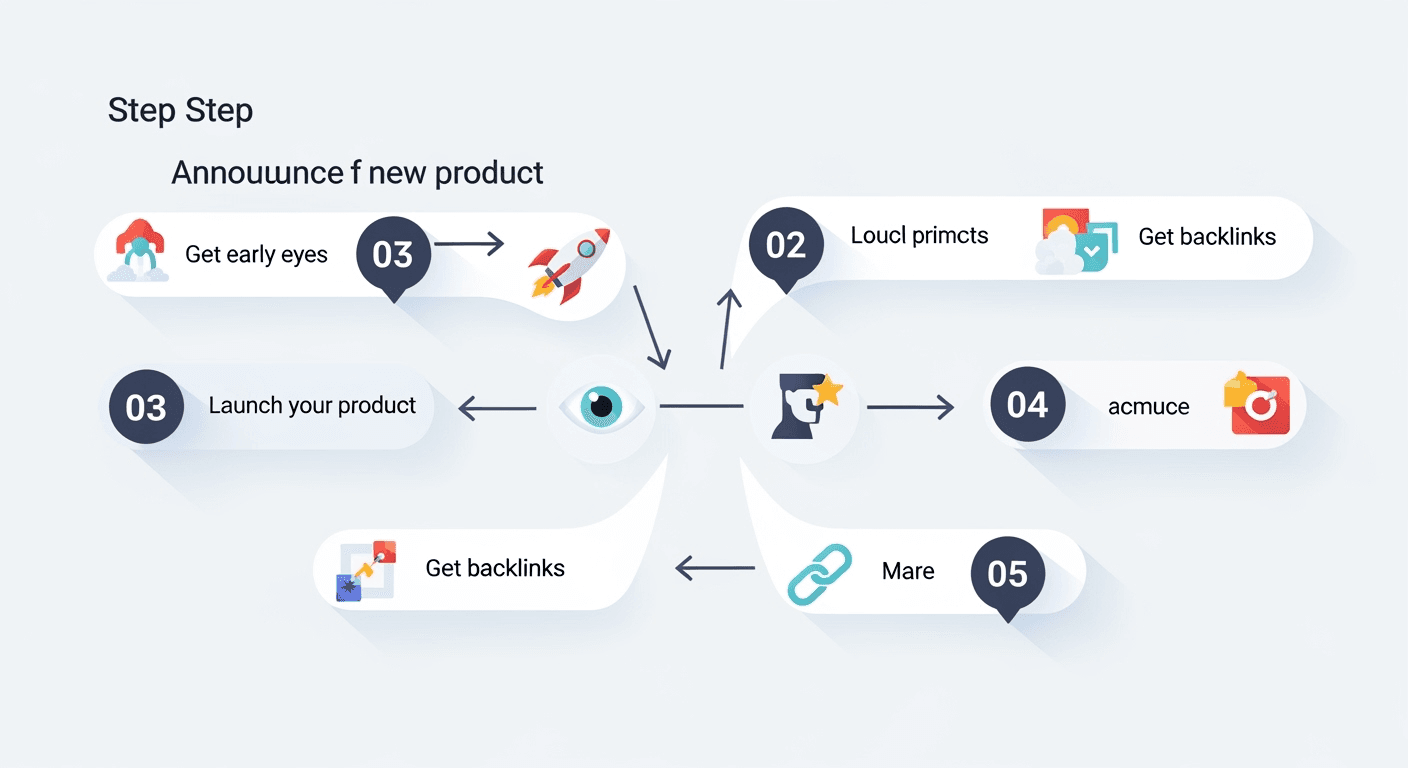
Phase 1 — 4–6 Weeks Before Launch
- Define your target user
- Build a simple landing page
- Engage in 2–3 communities
- Share your progress publicly
- Start gathering email signups
Phase 2 — 1–2 Weeks Before Launch
- Email your small list (“launching soon”)
- Reach out to supportive friends/colleagues
- Prepare your launch assets (screenshots, copy, GIFs)
- Finalize your homepage
Phase 3 — Launch Day
- Publish your announcement everywhere you planned
- Post at different times, not all at once
- Reply to every comment
- Watch analytics for real-time issues
- Collect initial feedback
The goal isn’t perfection — it’s momentum.
Case Study: From Zero Audience to 1,000 Users
A solo founder built a finance tool for freelancers. No following. No budget.
His approach:
- Participated in r/freelance for two months helping people
- Shared progress and struggles on X consistently
- Posted a story-driven announcement, not a promotional link
- Submitted the product to two platforms (including ShipSquad)
Results:
- 10,000+ website visitors
- 1,000+ new users
- Multiple strong backlinks early on
- A clearer roadmap shaped by real user feedback
The story wasn’t special — the consistency was.
Post-Launch: Keep the Momentum Going
Most of your long-term success comes after launch day.
Do this in the first 2 weeks:
- Email every new user personally
- Fix friction points and bugs quickly
- Share updates publicly
- Gather testimonials
- Turn feature requests into micro-wins
Momentum comes from conversation, not silence.
Conclusion
Announcing a new product isn’t about shouting the loudest — it’s about being clear, deliberate, and consistent.
Your announcement gains power when:
- You warm up an audience
- You explain your “why” simply
- You choose the right channels
- You follow up and iterate fast
Even without an ad budget or existing audience, a thoughtful approach helps your product land with the people who need it most.
If you want a simple, no-pressure way to get early users and a helpful backlink, consider adding ShipSquad as one of your launch channels.
But remember: the channel isn’t your launch — your preparation is.
Frequently Asked Questions (FAQs)
1. How early should I begin planning my announcement?
Start 4–6 weeks before launch. It gives you time to build context and early interest.
2. Can I announce a product with zero following?
Yes — by engaging in niche communities and sharing your progress consistently.
3. What’s the biggest announcement mistake?
Starting on launch day. The announcement begins in the pre-launch phase.
4. Should I launch on Product Hunt?
It’s useful, but shouldn’t be your only channel. Combine it with niche communities and at least one early-adopter platform.
5. How do I maintain momentum after launch?
Talk to every early user, fix issues fast, share progress, and keep the story alive.